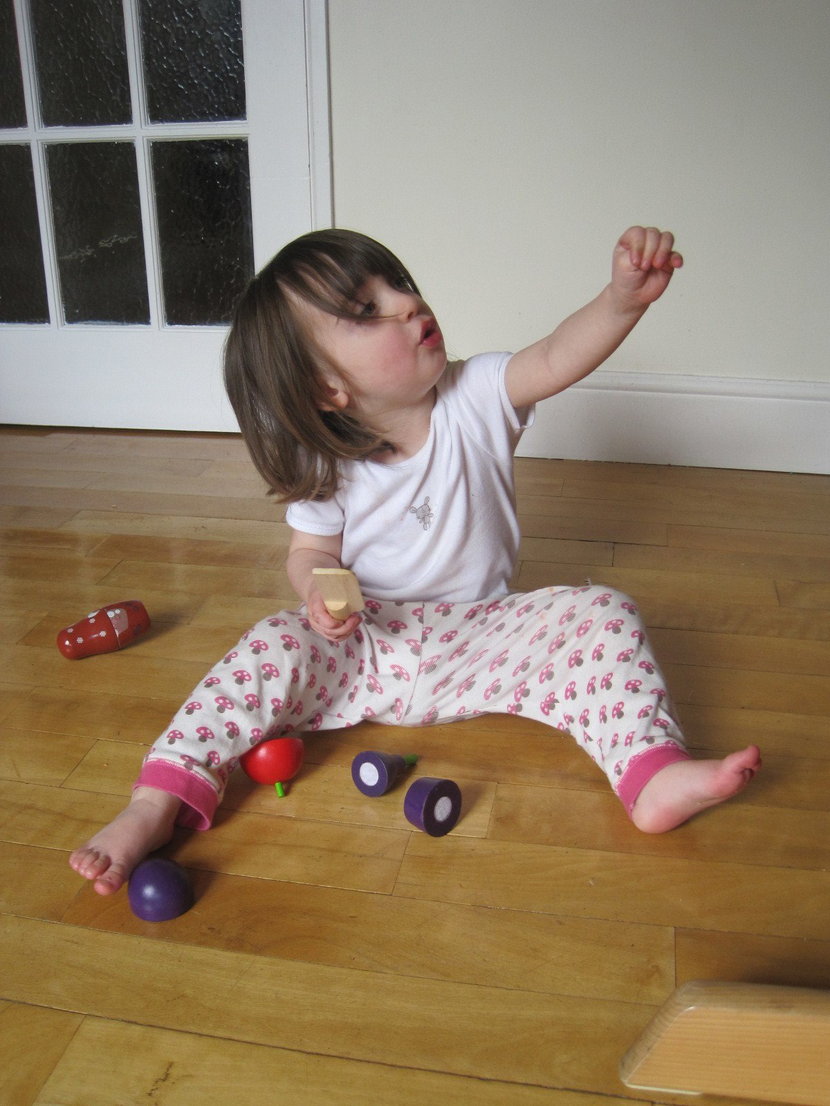
Understanding the Montessori Sensitive Periods of Toddlerhood (
Jul 13, 2025 - Toddler - By Jean-Francois Pypops
If you’ve ever wondered why your toddler insists on lining up their toys just so or suddenly repeats every word they hear, you’re likely witnessing a sensitive period.
In Montessori education, sensitive periods are special windows of opportunity in a child’s early years when they are especially focused on developing certain skills. These aren’t random: they’re driven by natural developmental needs.
Knowing about sensitive periods can help you support your toddler in ways that feel meaningful to them without overwhelming yourself with too many activities or expectations.
What Are Montessori Sensitive Periods?
Dr. Maria Montessori observed that children experience phases when learning specific skills comes naturally and joyfully.
When a sensitive period is active, a child becomes deeply interested in repeating actions related to that skill. Once the sensitive period passes, learning the same skill may still be possible, but it requires more effort.
For toddlers (ages 1–3), here are the key sensitive periods to be aware of, with easy activity ideas for each one:
Sensitive Period for Movement (Birth–5 Years)
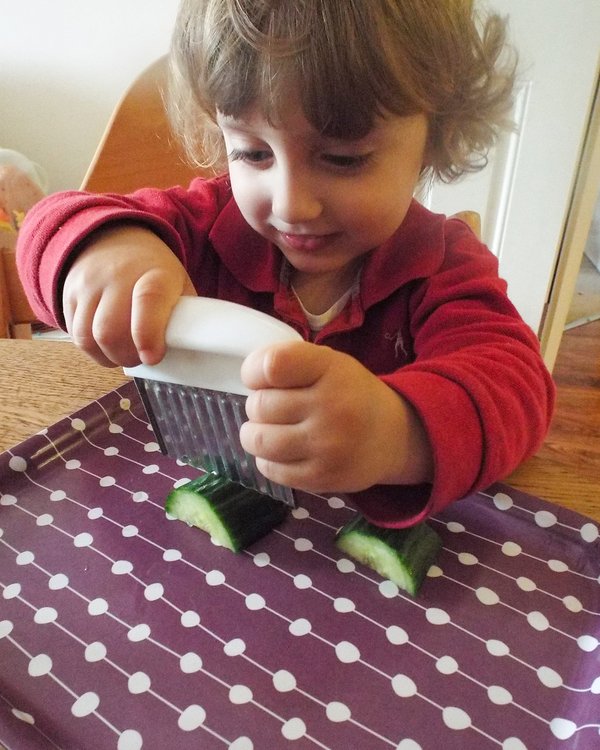
During toddlerhood, this sensitive period focuses on refining gross motor skills (like running and climbing) and fine motor skills (like using their hands precisely).
How You Can Support It:
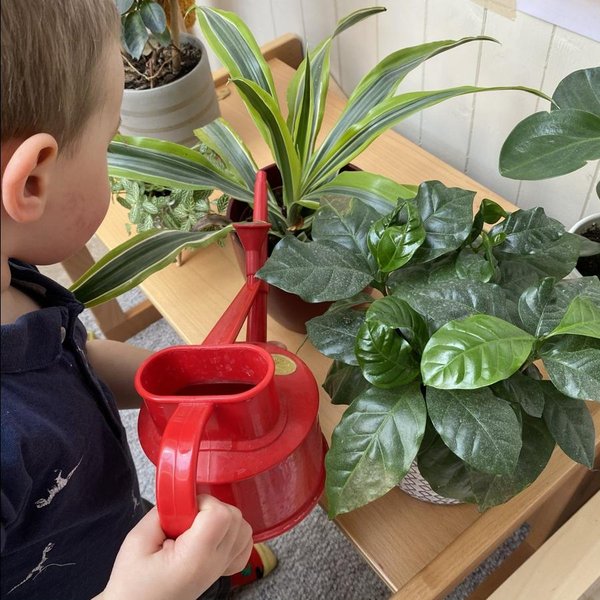
- Let your toddler help with simple household tasks: sweeping with a small broom, carrying light items.
- Create a safe climbing and balancing space indoors or outdoors.
- Offer pouring activities with small jugs of water.
- Set up threading activities with large beads or pasta.
Sensitive Period for Language (Birth–6 Years)
Toddlers absorb words and sounds constantly. This is when they expand their vocabulary, practice pronunciation, and begin forming sentences.
How You Can Support It:
- Read the same favourite books again and again.
- Name objects clearly: “This is a spoon,” “That’s a tree.”
- Play simple language games like “I Spy.”
- Sing nursery rhymes and songs with actions.

Sensitive Period for Order (1–3 Years)
You might notice your toddler gets upset if something is out of place or routines change suddenly. This isn’t being difficult — it’s part of developing their sense of order.
How You Can Support It:
- Keep toys organized on low shelves so they know where everything goes.
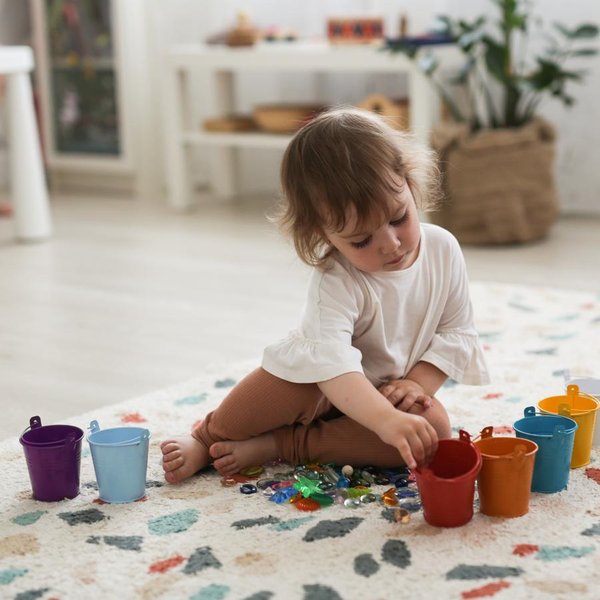
- Set up sorting activities: buttons by color, animals by habitat.
- Stick to consistent routines, especially around meals and bedtime.
- Involve your child in tidying up.
Sensitive Period for Refinement of the Senses (Birth–4 Years)
Toddlers love exploring through touch, sight, sound, smell, and taste. Their brains are making sense of the world through sensory input.
How You Can Support It:
- Offer a simple sensory basket: fabrics, wooden spoons, textured balls.
- Smell herbs or flowers together.
- Listen to different styles of music.
- Explore art activities: finger painting, playing with clay.
Sensitive Period for Small Objects and Details (1–3 Years)
While you admire the view, your toddler is busy noticing an ant or a tiny flower petal. This sensitivity helps develop focus and fine motor control.
How You Can Support It:
- Provide transferring activities using small objects like pom-poms with tongs or spoons.
- Let them pick up small snacks like peas or raisins.
- Offer puzzles with small pieces when they’re ready.
- Point out small details together in books or nature walks.
Obviously, you must always supervise toddlers with small objects to ensure safety.
Sensitive Period for Social Behavior (2½–6 Years)
Your toddler is beginning to notice other children and wants to play “with” rather than just “near” them. This is a time to learn manners, sharing, and cooperation.
How You Can Support It:
- Attend playgroups or invite friends for short, supervised playdates.
- Model polite language: “Please,” “Thank you,” “Can I have a turn?”
- Show your child how to solve small disagreements gently.
Why It Helps to Notice These Periods
By paying attention to your toddler’s sensitive periods, you can create a home environment that truly supports their natural development. It’s not about doing more or creating complicated activities — it’s about observing what captures your child’s interest right now and offering simple ways for them to explore and grow.
Every toddler moves through these phases at their own pace, so trust your observations and enjoy watching your child’s unique journey unfold.
 LEARN MORE
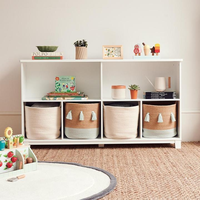
Do you ever scroll through social media, see a perfectly curated Montessori toddler shelf, and feel a little deflated? You set up beautiful trays and...

Toddlers are a bundle of energy, constantly exploring and keen to engage in various activities. Navigating the Montessori principles for the youngest age group can...

What are the pros and cons of adopting a Montessori Floor bed? Most parents interested in Montessori will consider having a Montessori floor bed as...
About the Author: Carine Robin is a qualified and experienced Montessori teacher and founder of The Montessori Family. With over 15 years of experience, Carine offers a blend of professional insight and personal understanding as a mother of two and qualified child psychologist. Inspired by the success of her Montessori subscription box, she created The Montessori Family to provide a comprehensive resource for parents and teachers globally. This platform aims to support child growth and well-being through curated educational activities. Additionally, Carine maintains the UK's most popular Montessori blog and administers the largest Montessori UK Facebook group, making her a central figure in the Montessori community.
