Understanding Montessori Sensorial Materials: A Guide for Parents
Jul 29, 2025 - - By Carine Robin
Introduction
Have you ever noticed how young children love to explore the world through their senses? They run their fingers along different surfaces, listen intently to sounds, and examine objects with pure curiosity. In Montessori education, we recognize that these early sensory experiences are the foundation for learning. That’s why sensorial materials play such a vital role in the Montessori classroom—they help children refine their senses, categorize information, and build a deeper understanding of their environment.
I once taught a little 2-and-a-half-year-old girl who was fascinated by the sandpaper letters. Every day, she would reach for them, eager to explore. At first, I thought she was drawn to learning the sounds of the letters, but I quickly realized she wasn’t interested in the language aspect at all—she was mesmerized by the texture of the sandpaper. At the time, our classroom didn’t have all the sensorial materials available, so I created a matching texture activity just for her. Eventually, we purchased the touch board, a material specifically designed to refine the sense of touch. Once she had access to a broader range of sensorial experiences, she naturally stopped using the sandpaper letters for their texture. Instead, she became deeply engaged in sensorial activities, exploring different surfaces, weights, and temperatures. A few months later, something remarkable happened—she returned to the sandpaper letters, this time with genuine interest in their intended purpose: learning the sounds of the letters.
This experience beautifully illustrates how sensorial materials meet children where they are developmentally. They allow children to follow their natural curiosity, refining their senses in a way that prepares them for more complex learning, including math, language, and scientific exploration. In this guide, we’ll explore what Montessori sensorial materials are, why they are so important, and how you can support sensory learning at home.

What Are Montessori Sensorial Materials?
From birth to around four years old, children go through a sensitive period for sensory development. During this time, their brains are forming crucial neural connections as they explore the world through their five senses—sight, sound, touch, taste, and smell. Montessori education embraces this natural learning process by providing sensorial materials which are carefully designed tools that help children refine their sensory perception.Montessori sensorial materials are unique because they isolate specific sensory experiences. Instead of overwhelming a child with multiple inputs, each material focuses on just one quality such as weight, texture, temperature, or colour. This allows children to compare, contrast, and classify their experiences in a way that strengthens their cognitive development and prepares them for more advanced learning in subjects like math, language, and science.Sensorial learning goes beyond just the five basic senses. Maria Montessori recognized that our sensory system is made up of multiple subcategories, each of which plays a role in how we perceive and understand the world:Visual Sense: Helps distinguish size, shape, composition, and patterns.Chromatic Sense: Develops the ability to perceive and match colours.Olfactory Sense: Helps differentiate between scents and odors.Gustatory Sense: Trains the perception of taste.Auditory Sense: Refines the perception of loudness and pitch.Tactile Sense: Allows children to explore textures—rough, smooth, soft, hard.Baric Sense: Helps perceive differences in weight.Thermic Sense: Develops an awareness of temperature changes.Haptic (Stereognostic) Sense: Allows children to recognize objects purely through touch and movement, without relying on sight.By working with sensorial materials, children develop heightened awareness of these sensory inputs, giving them a deeper understanding of their environment and laying the groundwork for future academic and artistic pursuits.What Are Montessori Sensorial Materials?
From birth to around four years old, children go through a sensitive period for sensory development. During this time, their brains are forming crucial neural connections as they explore the world through their five senses—sight, sound, touch, taste, and smell. Montessori education embraces this natural learning process by providing sensorial materials which are carefully designed tools that help children refine their sensory perception.
Montessori sensorial materials are unique because they isolate specific sensory experiences. Instead of overwhelming a child with multiple inputs, each material focuses on just one quality such as weight, texture, temperature, or colour. This allows children to compare, contrast, and classify their experiences in a way that strengthens their cognitive development and prepares them for more advanced learning in subjects like math, language, and science.
Sensorial learning goes beyond just the five basic senses. Maria Montessori recognized that our sensory system is made up of multiple subcategories, each of which plays a role in how we perceive and understand the world:
- Visual Sense: Helps distinguish size, shape, composition, and patterns.
- Chromatic Sense: Develops the ability to perceive and match colours.
- Olfactory Sense: Helps differentiate between scents and odors.
- Gustatory Sense: Trains the perception of taste.
- Auditory Sense: Refines the perception of loudness and pitch.
- Tactile Sense: Allows children to explore textures—rough, smooth, soft, hard.
- Baric Sense: Helps perceive differences in weight.
- Thermic Sense: Develops an awareness of temperature changes.
- Haptic (Stereognostic) Sense: Allows children to recognize objects purely through touch and movement, without relying on sight.
By working with sensorial materials, children develop heightened awareness of these sensory inputs, giving them a deeper understanding of their environment and laying the groundwork for future academic and artistic pursuits.

The Benefits of Montessori Sensorial Materials
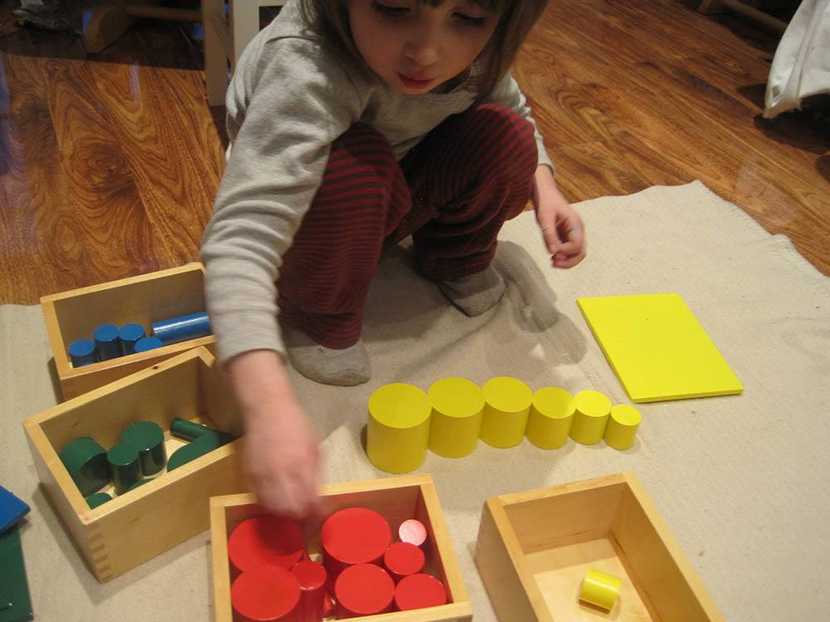
Montessori education is famous for the sensorial materials, such as the Pink tower, the red rods and touch tablets to name only a few.Montessori sensorial activities do more than engage the senses. They shape a child's mind, preparing them for logical thinking, language development, and creativity. Here’s how they benefit young learners, along with examples of typical Montessori materials that support each sense:Refining the Senses
By isolating sensory qualities, Montessori materials train a child’s ability to observe, compare, and classify.Pink Tower (Size discrimination – Visual sense)Colour Tablets (Matching and grading colors – Chromatic sense)Sound Cylinders (Distinguishing sound differences – Auditory sense)Smelling Bottles (Recognizing scents – Olfactory sense)Cognitive Development & Problem-Solving
Sensorial materials introduce children to sequencing, pattern recognition, and spatial awareness—skills essential for mathematics, logic, and reasoning.Knobbed Cylinders (Size sequencing – Visual sense)Binomial Cube (Early algebraic reasoning – Visual and tactile sense)Geometric Solids (Understanding 3D shapes – Haptic sense)Foundation for Math and Language
Many sensorial activities lay an indirect foundation for subjects like math and reading.Sandpaper Letters (Learning letter shapes through touch – Tactile sense)Touch Boards (Training fingers for writing – Tactile sense)Number Rods (Understanding quantity and length – Visual and baric sense)Encouraging Independence & Concentration
Sensorial materials are self-correcting, meaning children can explore them without adult intervention.Thermic Bottles (Matching different temperatures – Thermic sense)Baric Tablets (Discriminating weights – Baric sense)Mystery Bag (Recognizing objects by touch alone – Haptic sense)Introducing a Rich and Varied World
By exposing children to a range of textures, colours, sounds, and scents, we help them develop a sophisticated sensory awareness.Fabric Matching (Identifying textures – Tactile sense)Bells (Exploring musical notes and pitch – Auditory sense)Tasting Bottles (Exploring flavors – Gustatory sense)Enhancing Creativity and Appreciation for Beauty
Sensory learning isn’t just about logic—it also nurtures artistic appreciation.Colour Tablets , in particular the Third Box is about learning about colour gradation and blending – Chromatic sense)Music Bells (Exploring musical tones – Auditory sense)Botany Cabinet (Observing shapes in nature – Visual sense)Not every child will become the next Mozart or Van Gogh, but giving them early experiences with sensory materials opens doors to discovery. By providing a rich sensory environment in early childhood, we allow children to explore their world with joy, curiosity, and confidence—setting them up for success in all areas of life.The Benefits of Montessori Sensorial Materials
Montessori education is famous for the sensorial materials, such as the Pink tower, the red rods and touch tablets to name only a few.
Montessori sensorial activities do more than engage the senses. They shape a child's mind, preparing them for logical thinking, language development, and creativity. Here’s how they benefit young learners, along with examples of typical Montessori materials that support each sense:
Refining the Senses
By isolating sensory qualities, Montessori materials train a child’s ability to observe, compare, and classify.
- Pink Tower (Size discrimination – Visual sense)
- Colour Tablets (Matching and grading colors – Chromatic sense)
- Sound Cylinders (Distinguishing sound differences – Auditory sense)
- Smelling Bottles (Recognizing scents – Olfactory sense)
Cognitive Development & Problem-Solving
Sensorial materials introduce children to sequencing, pattern recognition, and spatial awareness—skills essential for mathematics, logic, and reasoning.
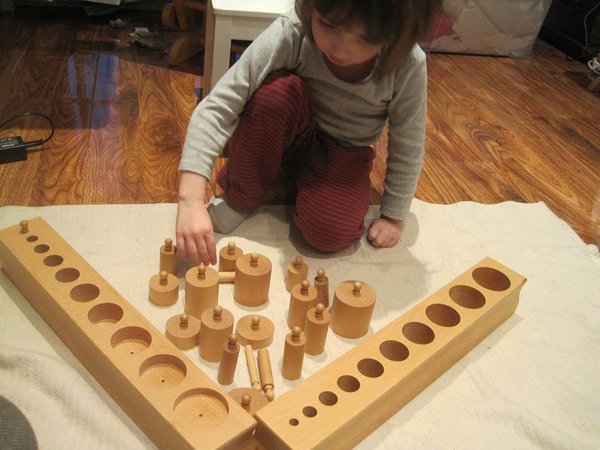
- Knobbed Cylinders (Size sequencing – Visual sense)
- Binomial Cube (Early algebraic reasoning – Visual and tactile sense)
- Geometric Solids (Understanding 3D shapes – Haptic sense)
Foundation for Math and Language
Many sensorial activities lay an indirect foundation for subjects like math and reading.
- Sandpaper Letters (Learning letter shapes through touch – Tactile sense)
- Touch Boards (Training fingers for writing – Tactile sense)
- Number Rods (Understanding quantity and length – Visual and baric sense)
Encouraging Independence & Concentration
Sensorial materials are self-correcting, meaning children can explore them without adult intervention.
- Thermic Bottles (Matching different temperatures – Thermic sense)
- Baric Tablets (Discriminating weights – Baric sense)
- Mystery Bag (Recognizing objects by touch alone – Haptic sense)
Introducing a Rich and Varied World
By exposing children to a range of textures, colours, sounds, and scents, we help them develop a sophisticated sensory awareness.
- Fabric Matching (Identifying textures – Tactile sense)
- Bells (Exploring musical notes and pitch – Auditory sense)
- Tasting Bottles (Exploring flavors – Gustatory sense)
Enhancing Creativity and Appreciation for Beauty
Sensory learning isn’t just about logic—it also nurtures artistic appreciation.
- Colour Tablets , in particular the Third Box is about learning about colour gradation and blending – Chromatic sense)
- Music Bells (Exploring musical tones – Auditory sense)
- Botany Cabinet (Observing shapes in nature – Visual sense)
Not every child will become the next Mozart or Van Gogh, but giving them early experiences with sensory materials opens doors to discovery. By providing a rich sensory environment in early childhood, we allow children to explore their world with joy, curiosity, and confidence—setting them up for success in all areas of life.
 Discover 10 Montessori Principles for parents - FREE video
Subscribe to my newsletter and receive information about my courses, this blog and freebies including the First Lesson of the Montessori Parenting course!
Discover 10 Montessori Principles for parents - FREE video
Subscribe to my newsletter and receive information about my courses, this blog and freebies including the First Lesson of the Montessori Parenting course!
How to Bring Montessori Sensorial Learning into the Home
You don’t need a fully equipped Montessori classroom to provide your child with rich sensorial experiences. Everyday life is filled with opportunities to refine the senses—you just need to slow down, observe, and follow your child’s natural curiosity. Here are some simple and practical ways to introduce sensorial activities at home.Exploring the Sense of SightHelp your child develop visual discrimination skills by encouraging them to notice differences in size, shape, pattern, and colour.
Colour Matching & Sorting: Use coloured fabrics, paint swatches, or coloured pencils.
Size & Shape Exploration: Nesting boxes, stacking cups, or DIY versions of the Pink Tower using different-sized containers.
Observing Nature: Go on a color walk and ask your child to find objects in different shades (e.g., “Can you find something light green?”).Refining the Sense of TouchTactile activities help children develop awareness of texture, temperature, and weight.
Texture Exploration: Fill a mystery bag with objects of different textures (rough rock, soft fabric, bumpy orange peel) and let your child identify them by touch.
Hot vs. Cold: Use bowls of warm and cool water to help them recognize temperature differences.
DIY Touch Boards: Glue different materials (sandpaper, velvet, foil) onto a board for them to explore.Developing the Sense of SoundListening to and differentiating sounds refines your child’s auditory sense, preparing them for music, language, and focus.
Sound Matching: Fill small containers with different materials (rice, beans, bells) and have your child shake and match them by sound.
Listening Walks: Take a walk and focus on the sounds around you—birds chirping, leaves rustling, a car passing by.
Exploring Music: Let your child play with real musical instruments, or introduce them to different genres of music.Strengthening the Sense of SmellThe olfactory sense is often overlooked, but it plays a big role in memory and emotional development.
Smell Bottles: Use cotton balls soaked in different scents (vanilla, lemon, cinnamon) and have your child match them.
Exploring Spices & Herbs: Let them sniff different spices while cooking and describe what they smell.
Flower Smelling Walks: Visit a garden or park and take turns identifying different floral scents.Enhancing the Sense of TasteTaste exploration helps children appreciate flavors and develop a more adventurous palate.
Tasting Bottles: Offer tiny samples of sweet, sour, salty, and bitter foods (honey, lemon, salt, dark chocolate).
Cooking Together: Let your child help mix ingredients and taste the differences as you cook.
Herb & Fruit Tasting: Introduce them to fresh herbs and fruits they may not have tried before.Encouraging Movement & Body Awareness 🚶♂️Developing the stereognostic sense (recognizing objects through touch and movement) helps with coordination, fine motor skills, and balance.
Mystery Bag Game: Place familiar objects (a toy car, spoon, or block) in a bag and have your child identify them by touch alone.
Walking on the Line: Use tape on the floor to create a balance path.
Pouring & Scooping: Offer real kitchen tools for transferring rice, beans, or water.How to Bring Montessori Sensorial Learning into the Home
You don’t need a fully equipped Montessori classroom to provide your child with rich sensorial experiences. Everyday life is filled with opportunities to refine the senses—you just need to slow down, observe, and follow your child’s natural curiosity. Here are some simple and practical ways to introduce sensorial activities at home.
Exploring the Sense of Sight
Help your child develop visual discrimination skills by encouraging them to notice differences in size, shape, pattern, and colour.
Colour Matching & Sorting: Use coloured fabrics, paint swatches, or coloured pencils.
Size & Shape Exploration: Nesting boxes, stacking cups, or DIY versions of the Pink Tower using different-sized containers.
Observing Nature: Go on a color walk and ask your child to find objects in different shades (e.g., “Can you find something light green?”).
Refining the Sense of Touch
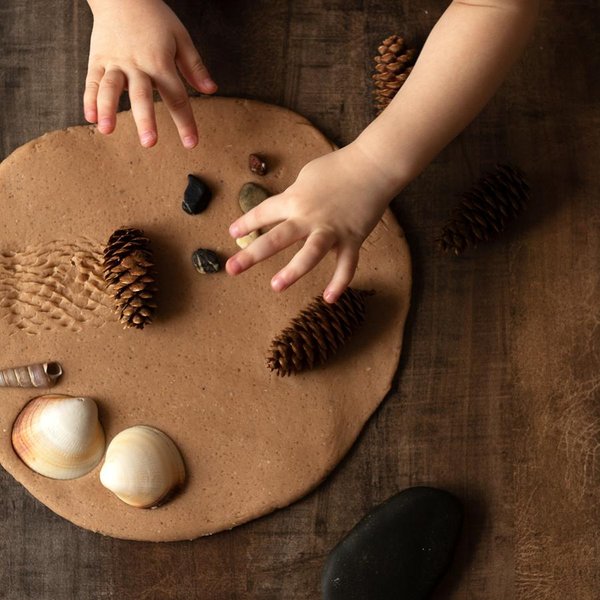
Tactile activities help children develop awareness of texture, temperature, and weight.
Texture Exploration: Fill a mystery bag with objects of different textures (rough rock, soft fabric, bumpy orange peel) and let your child identify them by touch.
Hot vs. Cold: Use bowls of warm and cool water to help them recognize temperature differences.
DIY Touch Boards: Glue different materials (sandpaper, velvet, foil) onto a board for them to explore.
Developing the Sense of Sound
Listening to and differentiating sounds refines your child’s auditory sense, preparing them for music, language, and focus.
Sound Matching: Fill small containers with different materials (rice, beans, bells) and have your child shake and match them by sound.
Listening Walks: Take a walk and focus on the sounds around you—birds chirping, leaves rustling, a car passing by.
Exploring Music: Let your child play with real musical instruments, or introduce them to different genres of music.
Strengthening the Sense of Smell
The olfactory sense is often overlooked, but it plays a big role in memory and emotional development.
Smell Bottles: Use cotton balls soaked in different scents (vanilla, lemon, cinnamon) and have your child match them.
Exploring Spices & Herbs: Let them sniff different spices while cooking and describe what they smell.
Flower Smelling Walks: Visit a garden or park and take turns identifying different floral scents.
Enhancing the Sense of Taste
Taste exploration helps children appreciate flavors and develop a more adventurous palate.
Tasting Bottles: Offer tiny samples of sweet, sour, salty, and bitter foods (honey, lemon, salt, dark chocolate).
Cooking Together: Let your child help mix ingredients and taste the differences as you cook.
Herb & Fruit Tasting: Introduce them to fresh herbs and fruits they may not have tried before.
Encouraging Movement & Body Awareness 🚶♂️
Developing the stereognostic sense (recognizing objects through touch and movement) helps with coordination, fine motor skills, and balance.
Mystery Bag Game: Place familiar objects (a toy car, spoon, or block) in a bag and have your child identify them by touch alone.
Walking on the Line: Use tape on the floor to create a balance path.
Pouring & Scooping: Offer real kitchen tools for transferring rice, beans, or water.
Final Thoughts: Sensory Learning Is Everywhere
Montessori sensorial activities don’t have to be complicated or expensive. The key is to observe your child and provide experiences that support their natural curiosity. Whether it's sorting buttons by color, walking barefoot on grass, or listening to the sound of raindrops, sensorial learning is happening all around us. By creating an environment rich in sensory exploration, you’re laying the foundation for deep learning, concentration, and creativity, all while making childhood more magical.Final Thoughts: Sensory Learning Is Everywhere
Montessori sensorial activities don’t have to be complicated or expensive. The key is to observe your child and provide experiences that support their natural curiosity. Whether it's sorting buttons by color, walking barefoot on grass, or listening to the sound of raindrops, sensorial learning is happening all around us. By creating an environment rich in sensory exploration, you’re laying the foundation for deep learning, concentration, and creativity, all while making childhood more magical.
About the Author: Carine Robin is a qualified and experienced Montessori teacher and founder of The Montessori Family. With over 15 years of experience, Carine offers a blend of professional insight and personal understanding as a mother of two and qualified child psychologist. Inspired by the success of her Montessori subscription box, she created The Montessori Family to provide a comprehensive resource for parents and teachers globally. This platform aims to support child growth and well-being through curated educational activities. Additionally, Carine maintains the UK's most popular Montessori blog and administers the largest Montessori UK Facebook group, making her a central figure in the Montessori community.
